
IFR MASTERY SCENARIOS
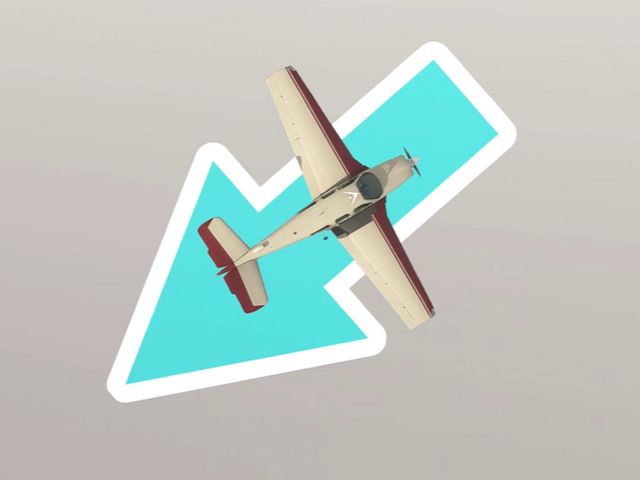 This month's scenario Turkey Day Turbulence #195 | NOVEMBER 2026 A short IFR hop across Florida turns into a challenging IFR workout as the descent brings sharp wind shifts, turbulence. Do you try again where you just missed or divert somewhere less convenient, maybe even all the way back home to drive instead?Start scenario →
What a Headache
You can have a perfectly functioning airplane in perfectly flyable conditions and still have a potential problem with the pilot. How much worry is a headache that could be attributable to the recent head-banging turbulence—or could be the first signs of something more consequential?
Start Scenario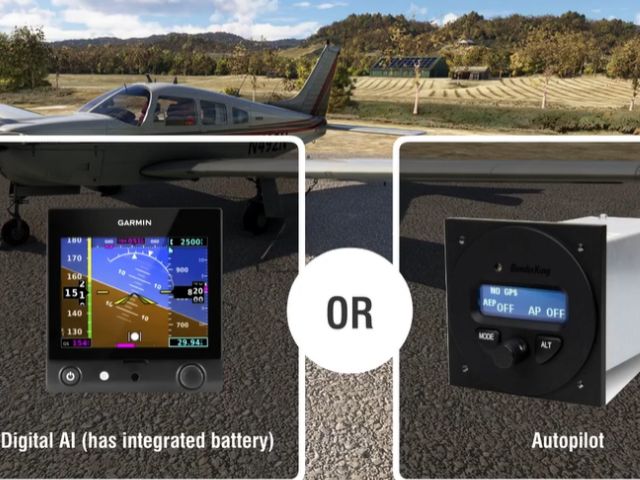
A Panel Discussion
Avionics decisions used to be simple. The options were few and the prices modest. New tech has brought great advances in safety and capability—but at the expense of, well, the expense. Decisions are even harder when the airplane is owned by a group with widely divergent priorities.
Start Scenario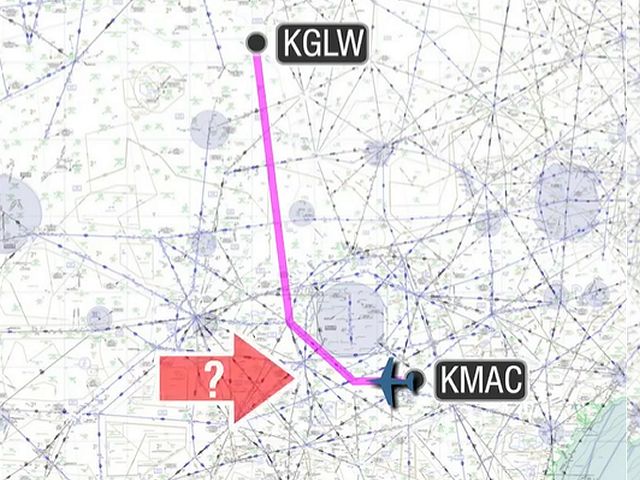
Mammoth Winds West of Macon
A last-minute switch to a slower airplane is unfortunate, but flight planning shows strong tailwinds will almost make up the difference. The time and range should still work—until you level off in cruise and see an ETA an hour further out than you anticipated. Surely that can’t be right. But what is right?
Start Scenario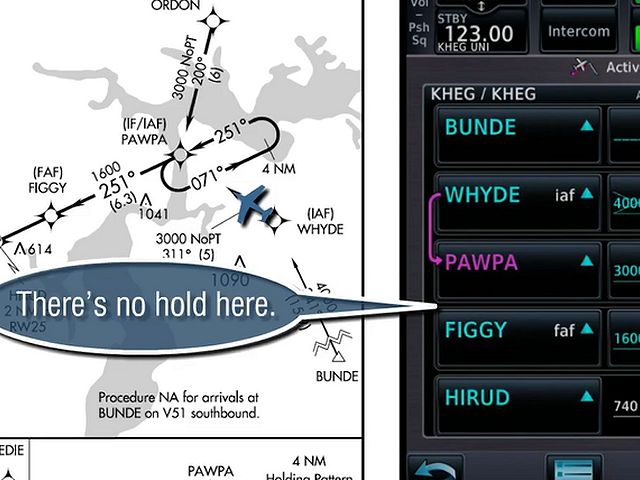
Late Hold at Herlong
Pilots in the digital age will tell you that avionics proficiency can erode even faster than an instrument scan. How will you handle a canceled clearance with a last-minute hold when you know at least three different ways to accomplish the task? Can you make the magic box behave in time?
Start Scenario
Unknown Icing in Minnesota
Winter IFR presents unique hazards with little margin for error. How much confirmation of benign conditions is enough for a well-equipped, high-performance single that’s not certified for flight into known icing? And is icing the most important risk factor to consider on this cold-weather flight?
Start Scenario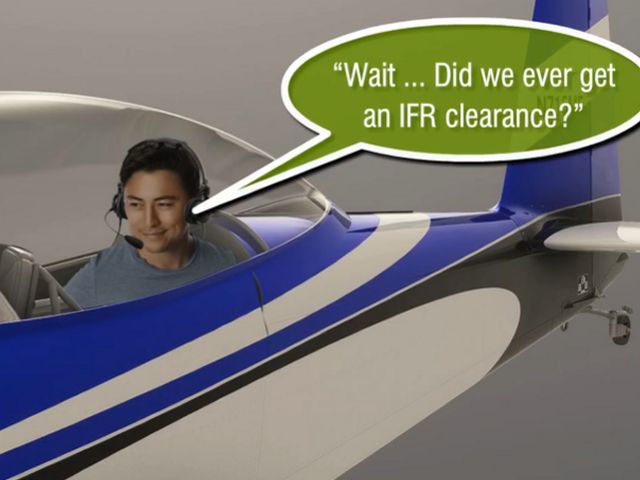
Colorado Clearance Confusion
There’s nothing ambiguous about an approach clearance—or is there? Can a wily instructor you employed for an Instrument Proficiency Check trip you into self-doubt with one, well-timed question? Then again, maybe the CFII is just as unsure as you are—and both of you are flying blind.
Start Scenario
Checkride for Two
Confidence is a great thing; overconfidence not so much. Maybe it was a foolish plan to schedule an instrument checkride for two pilots knowing the weather might deteriorate enough that at least one had to pass. Presuming one did, though, the trip home should be easy. Right?
Start Scenario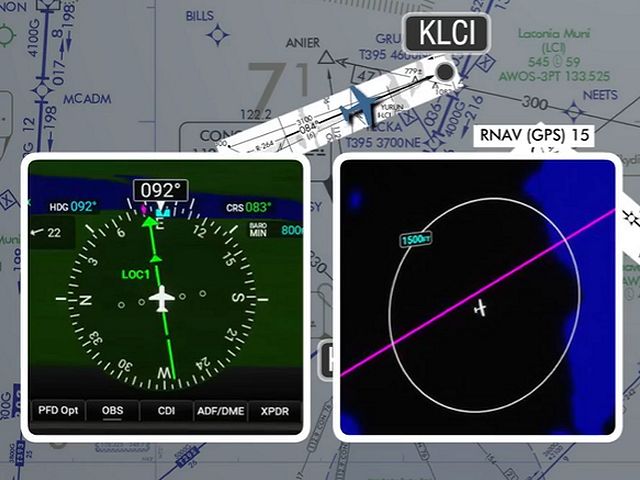
Lateral Discrepancy at Laconia
One of the pillars of instrument training is trusting your equipment while also verifying the data it presents. That’s fine when there’s a third datapoint to break the tie. But what do you do when your only two navigation sources show a slight discrepancy—but it’s at the end of an approach where every foot matters?
Start Scenario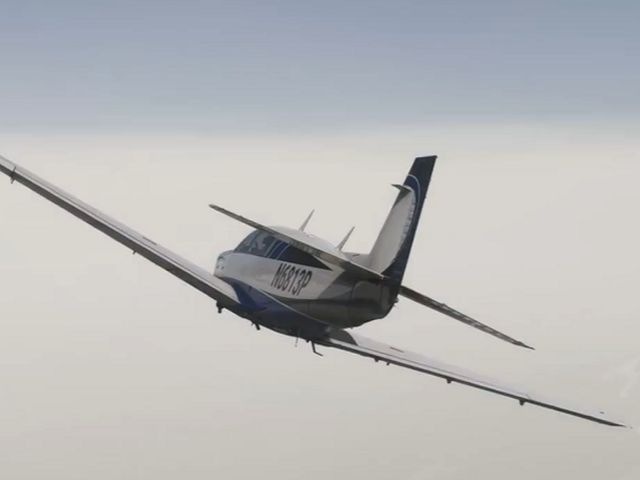
Up in Smoke
IFR is a terrific tool, but it comes with limitations that make it impractical (or impossible) to use in every situation where it might be handy. On a day and a flight where wildfire smoke and nearby mountains make visibility marginal, is VFR, IFR, or a combination of both the best solution for reaching the destination?
Start Scenario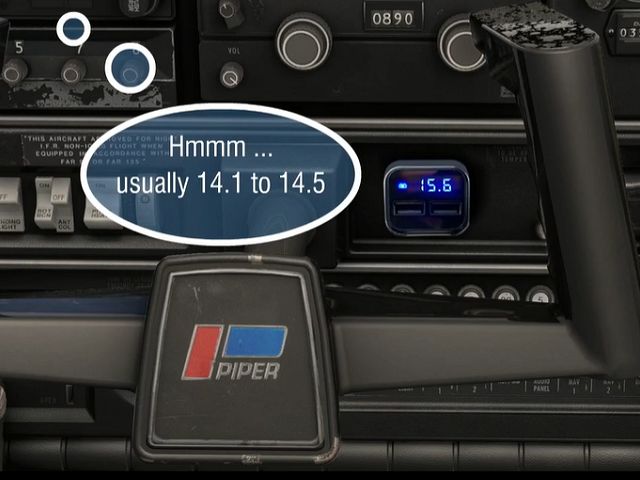
Overvoltage in IMC
Flight training should cover all essential emergencies you might encounter in the airplane. However, it can’t cover everything that might come up at an inconvenient time. You know your time in IMC is limited when you’ve got only a battery for electrical power, but what about when the system is pushing out too many volts?
Start Scenario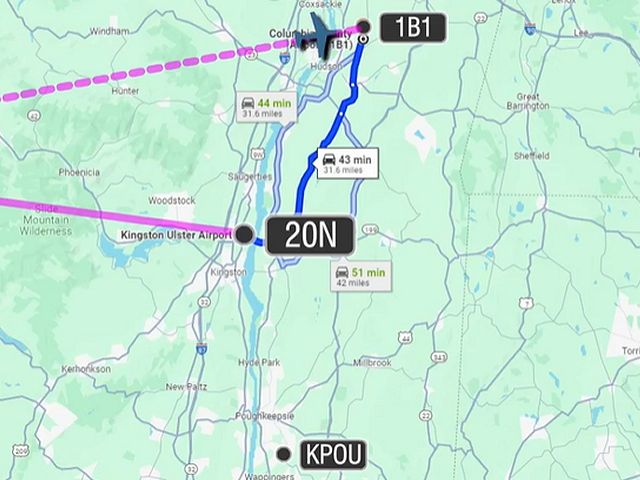
Making the Call at Kingston
Dogs make great passengers. They don’t care about the schedule. They don’t talk when ATC calls. And they don’t worry when you’re puzzling through an issue. That’s a plus as you try and decide which approach is best to get you and a pooch into the airport—or if you should even try an approach at all.
Start Scenario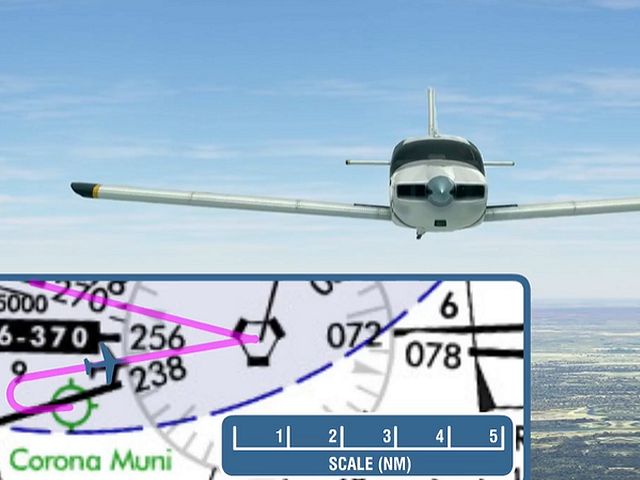
Anticipation Near Anaheim
The flight is short and the weather is decent, but the airspace is unfamiliar and one of the busiest places to fly in the U.S. Flying IFR should simplify that. You find the right route and put it into the GPS. However, a tailwind after takeoff throws an unexpected curve into your plan.
Start Scenario
Kickapoo Cancellation Complications
Chart prohibitions are there for a reason and regulations, so they say, are written in blood. That’s fine until the prohibitions and the regulations conflict with each other, and neither one seems to be an issue of safety. Do you cancel, circle, or continue under IFR to finish a flight at a basically VMC destination?
Start Scenario
Ely Departure
One little problem at an inopportune moment is all it takes to turn a feasible plan into a snowballing emergency. Now you must evaluate the options in the little time available and commit to one at the expense of all others. How far off the standard playbook will you go to reach safety?
Start Scenario
Cleared Through Gateway
The National Airspace System works because hundreds of Centers, Approaches, and Control Towers coordinate traffic through their interlocking system of airspaces. When flying under VFR, you’re the lynchpin for this communication. Under IFR, it should be done for you. Sometimes, though, it’s not clear who’s responsible for handling the call. Is this one of them?
Start Scenario
Best Forward Speed
Every instrument pilot ends up here sooner or later: You thought there was time to slow down before the go down—and it didn’t work out. Now you’re behind the eight-ball and above the V-speeds to get stuff out and slow down. Is there a sure way to fix this that’s not salvaging an already unstable approach?
Start Scenario
Dummy in Duluth
You never should have taken this flight, in this airplane, in this weather, in the first place. Next time you’ll do it differently—but now you must land soon enough to ensure there is a next time. How will you get this VFR-only airplane out of the weather when snowy approaches look like your only option?
Start Scenario
Heading Straight to Nashville?
It’s a perennial problem for pilots looking to gain experience, whether it’s new situations, new equipment, or entirely new sectors of aviation. And a logbook full of hours might not help. How do you decide if the challenge you’re facing is a good opportunity to expand your horizons—or an invitation to disaster?
Start Scenario
Tillamook Takeoff NA
Departure procedures aren’t required under Part 91 unless mandated by ATC. However, it’s conventional wisdom that you should fly one when it exists. How far do you take that? Is it better to accept a questionable takeoff to fly the procedure or can you ignore it just because you deem it’s actually safer to do so?
Start Scenario
The TAA at Tillamook
You’re the only airplane inbound and ATC has cut you loose to join the approach as you see fit. However, the more you review the approach chart the more complex it becomes. The simplest options will be the toughest to execute given the winds and descent, but the easier options might not be legit.
Start Scenario