Closer Look: Training Airplanes
Closer Look: Training Airplanes
Training Notes: Closer Look - Training Airplanes
This section introduces the most common airplanes used for flight training and highlights key differences between them to help new student pilots understand their options.
Common Training Airplanes
- Cessna High-Wing Models
- Cessna 172 (Skyhawk):
- Four seats.
- Cruises around 120 knots.
- Most popular training airplane ever built (over 44,000 produced).
- Still in production today.
- Cessna 152:
- Two seats.
- Cruises around 95 knots.
- Cessna 172 (Skyhawk):
- Diamond Aircraft
- DA20:
- Two seats.
- Composite construction (not aluminum).
- Cruises at 120 to 130 knots.
- DA40:
- Four seats.
- Cruises at 130 to 150 knots (depending on model).
- DA20:
- Cirrus Aircraft
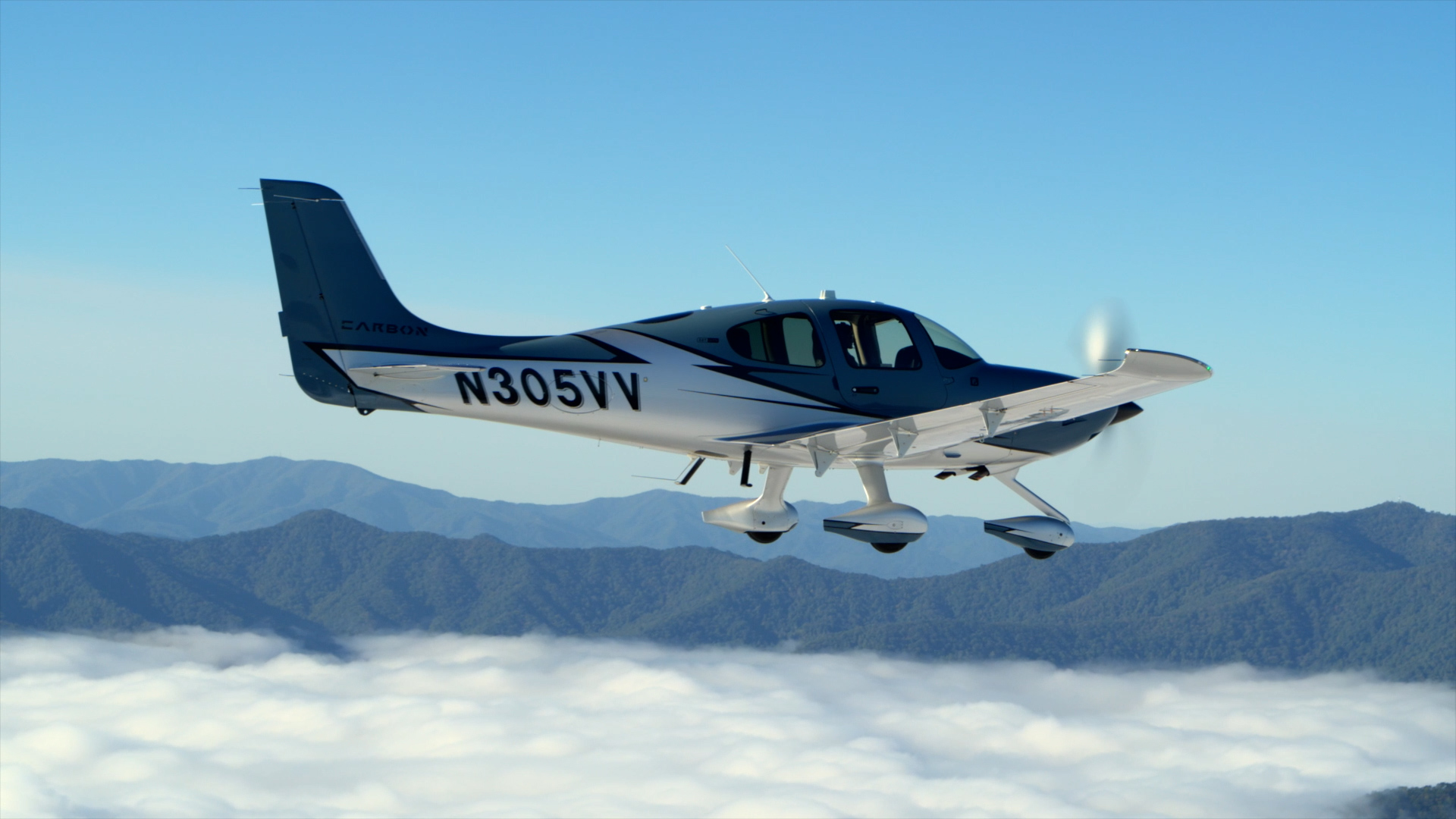
- SR-20 and SR-22:
- Four seats.
- Composite construction.
- Higher cruise speeds than most trainers.
- Equipped with an airframe parachute for emergencies.
- SR-20 and SR-22:
- Piper PA-28 Series
- Includes Cherokee, Archer, Warrior, and Cadet models.
- All share the same basic airframe.
- Cruise speeds between 115 and 130 knots.
- Light Sport Airplanes (LSA)
- Originally designed for sport pilot certificate training.
- Early LSAs:
- Maximum two seats.
- Limited max airspeed and takeoff weight.
- Newer LSAs:
- May have up to four seats.
- Approved with max airspeed and stall limitations.
- LSAs can be used for both sport and private pilot training.
- Popular models: Flight Design CTLS, Tecnam P92, Vans RV12.
Key Differences Between Training Airplanes
- Nose Wheel Types
- Steerable Nose Wheel:
- Found on Cessna and Piper airplanes.
- Allows direct steering on the ground.
- Free-Castering Nose Wheel:
- Found on Diamond and Cirrus airplanes.
- Nose wheel pivots freely.
- Requires differential braking to steer on the ground.
- Steerable Nose Wheel:
- Tailwheel Airplanes
- No nose wheel; main gear is forward, and a small wheel is at the tail.
- More rugged and suitable for rough surfaces.
- More challenging to control during takeoff and landing.
- Most students train in nosewheel airplanes first, then learn tailwheel differences after earning their certificate.
Understanding the types of training airplanes and their differences will help you choose the right aircraft for your training and prepare you for a variety of flying experiences.